
By Justin and Clara Hamel
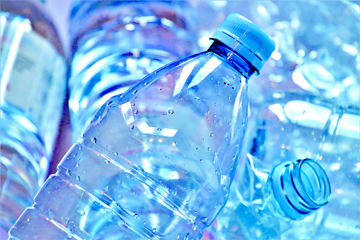
Let’s talk about plastic. We use plastic every day. Lunches are packed in plastic containers, personal care items are stored in plastic tubes and bottles, and children’s toys are made primarily of plastic. We are exposed to plastics in hundreds of ways on any given day. While plastic is used pervasively in our society, it is important to remember how little we know about the hundreds of chemicals used to make plastics. Modern plastics are relatively new and use did not become widespread until the 1970s. This means we are still learning about the effects of plastic and the consequences of plastic use on individuals, society and the world at large. What we have learned about plastics so far is not great. Plastic is full of multiple toxins and these toxins enter our bodies and accumulate in a variety of ways, causing a myriad of health issues. Two of the most well researched toxins in plastic are phthalates and bisphenol A (BPA).
Let’s start with phthalates. Phthalates are often used to make plastics soft and flexible. They are used in baby toys, food processing equipment and materials, medical devices, cosmetics, vinyl building products and food storage containers. Phthalates have long been known to be toxic to the male reproductive system, but these chemicals are endocrine disruptors in females as well. In addition, studies have linked them to attention and behavioral disorders in children, asthma, allergies and an increased risk of cancer. These toxins are often more concentrated in women due to their use in personal care products.
Next up is bisphenol A, or BPA. Many people have heard of BPA due to studies showing the reproductive and other ill health effects it causes in humans (it has been linked to cancer, diabetes and estrogen deregulation). It’s most often used to make a hard type of plastic called polycarbonate. It is also part of epoxy resins, which are used to line the inside of food storage cans. BPA was banned for use in baby bottles and sippy cups in 2012; unfortunately, BPA is often replaced with equally harmful chemicals.
While these are two toxins most frequently associated with plastics, it is important to remember plastics contain many other potentially harmful chemicals. In fact, plastics have been shown to contain over 1,000 chemicals, many with unknown effects.
So what can you do with this information? The goal will never be to eliminate plastic in your life, as it is much too pervasive in society. However, you can take steps to reduce your exposure to and reliance on plastics. This will not only benefit your health, but the environment as well!
Stay tuned for easy steps you can take to reduce your reliance on plastics.
Dr. Justin Hamel and Clara Hamel have a combined over 30 years of experience in health fields. Reach them at 1° Performance & Longevity, located at 46 N. Central Park Plz., Suite 101, in Jacksonville, on Facebook or by phone at 217-243-6358.
