
Jacksonville African American History Museum unveils new logo, renewed vision
By Ben Cox and Kyla Hurt
Photos/Kyla Hurt and Submitted to The Source
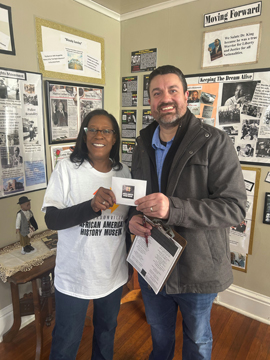
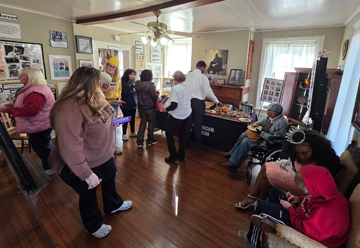
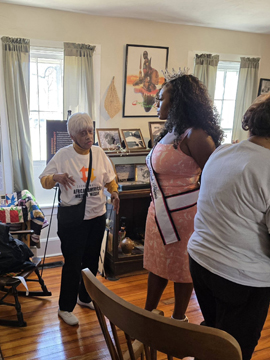
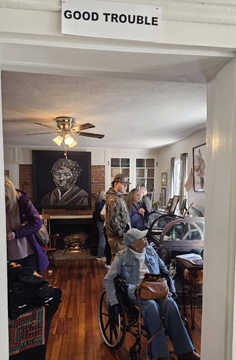
The Jacksonville African American History Museum held a “Brand Launch Party” on Saturday, Feb. 21 from 1-4 p.m. at its Grove Street address in Jacksonville—the historic Asa Talcott House.
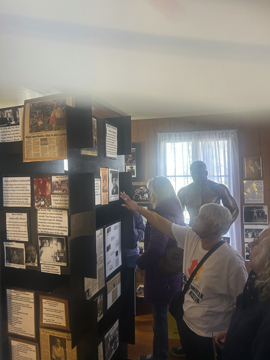
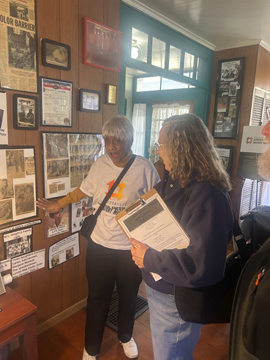
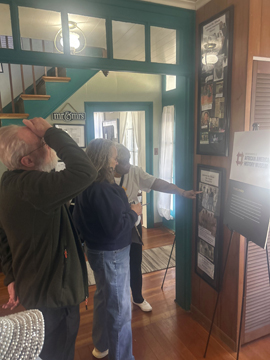
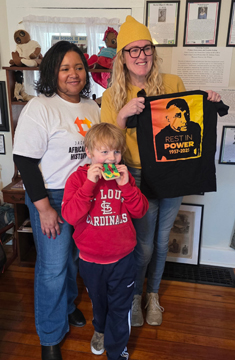
The afternoon gathering marked the unveiling of a new logo, a refined mission statement and a renewed vision for the museum’s future. Organizers described the event as a resounding success, blending delicious food, interactive scavenger hunts and engaging historical insights that invited guests of all ages to explore both the museum’s exhibits and its evolving identity.
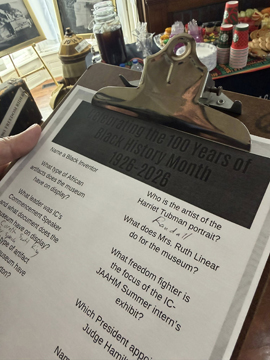
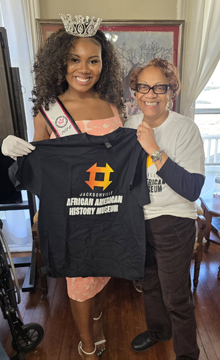
The trivia challenges offered at the event celebrated 100 years of Black History Month and had many questions based on local Black history posted throughout the many rooms of the museum, plus the refreshments and new merchandise at the event featured the new logo and brand look.
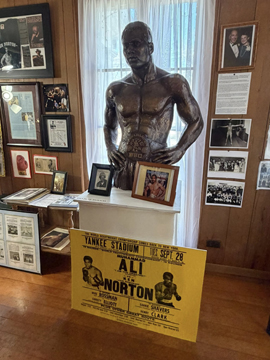
The museum opened to the public at the famous Underground Railroad site at 859 Grove St. in June 2022, after the late co-founder Art Wilson purchased the home. He, along with museum board members and fellow co-founder Ruth Linear, began piecing the exhibits together through their extensive knowledge of local Black history.
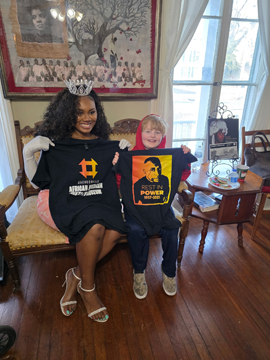
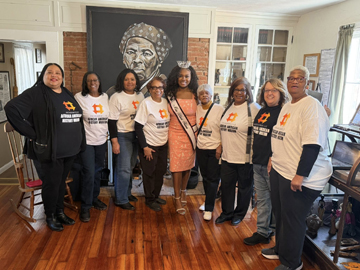
A highlight of the rebranding day was a special visit from Jackia Wilder, of Belleville, who currently holds the title of Miss Black Illinois 2026. Wilder is visiting African American museums across the state as part of her official tour.
Through her “Wellness Warriors” platform, she works to empower Illinois children to embrace healthy habits, build confidence and envision bright futures.
Her presence brought added energy to the event and underscored the museum’s broader commitment to education and community uplift.
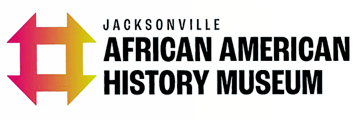
Central to the celebration was the unveiling of the museum’s new brandmark. Typed up and on display at the museum is a paragraph about the new logo:
“The Jacksonville African American History Museum logo is inspired by a ‘Monkey Wrench’ quilt pattern, notably used as a symbol on the Underground Railroad as a signal for passengers to prepare for their journey to freedom. It incorporates a red to yellow gradient, representing dawn and the hope it brings, as well as the illumination the knowledge of our history brings. The icon is coupled with a solid sans serif typeface that exudes authoritative insight and a bold inner sense of pride, for to know one’s history is to know one’s self. Taken as a whole, these elements form a declarative, iconic, and ultimately optimistic brandmark, welcoming visitors to join us on our journey.”
The rebrand also included the introduction of a refined mission statement:
“The fabric of freedom was woven by many hands — sons and daughters sold into human bondage, abolitionists, icons and entertainers, philosophers and poets, politicians and the man on the street, dreamers and doers. The threads that run through our stories are not just those of woe and heartache, but joy, love, and ‘good trouble,’ when it’s warranted. The Jacksonville African American History Museum is dedicated to gathering and preserving those stories, so we may know ourselves, share our journey with others, and claim our destiny as part of the great quilt that is our nation.”
The newly announced 2026 JAAHM board members include Ruth Linear (executive founding director and archivist), Alberta Robinson (executive managing director), Polly Williams, Denmark Whitaker, Mary Rogers, Mitzi Linear, Brittney Yancy, Cynthia Morgan, Kory Sheppard-Price and Glenna Sheppard.
JAAHM Executive Managing Director Alberta Robinson shares her thoughts about the museum and its rebranding:
“African American history is American history and with history it should be discussed, read about, explored, shared … then we can understand our shared past to move forward in the future. Hopefully we can all make better choices for the generations that come after us. The reasoning behind the brand logo update is to continue to keep us relevant, keep our community engaged and to show growth.”
As the museum continues to grow, Saturday’s event signaled more than a new look. It represented a renewed commitment to preserving local African American history while connecting Jacksonville’s story to the broader American narrative—one carefully stitched together, thread by thread.
