
By Clara and Justin Hamel
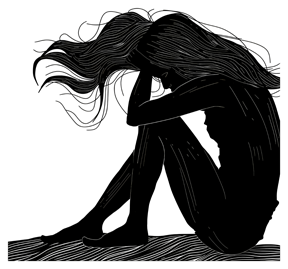
By the time we reach our twenties, most of us have not been unscathed by emotional trauma. It comes in many forms: the loss of a loved one, the breakdown of a relationship, emotional or physical abuse, rejection, abandonment, bullying or an accumulation of experiences that leave us feeling unsafe. Some wounds are apparent, but others are more covert, staying quietly buried beneath the surface, influencing the way we think, cope and navigate our lives. We are aware emotional trauma can be something that affects our thoughts and emotions, but emotional trauma can also take a great toll on our health. After all, our bodies and our minds are inextricably connected.
One of the most fascinating things about the human body is its ability to remember. Trauma is more than what we experience emotionally. It can leave an imprint on the body. Someone who has experienced significant emotional trauma may find that their body reacts to certain situations before they are even conscious of it. A particular conversation, environment, smell or experience can trigger the nervous system, creating feelings of anxiety, tension, uneasiness or simply a sense that something isn’t right.
This is not a weakness. It is a protection. Our bodies are programmed to look for danger and to associate environmental factors with things that made us feel unsafe in the past. We do not always recognize the difference between a threat happening right now and a reminder of something that happened years ago. When the nervous system repeatedly receives the message that we are not safe, the body spends too much time in a state of fight or flight. This constant state of increased stress influences the nervous, hormonal and immune systems and has been associated with a greater risk of depression, chronic pain, cardiovascular and metabolic conditions, obesity and a myriad of other health problems.
Fortunately, experiencing repeated or complex trauma does not leave us helplessly destined for poor health. The human body is remarkably adaptable, and just as it can learn patterns of stress and protection, it can also learn feelings of safety and regulation. This ability to adapt is known as resilience. Resilience is a reminder that past experiences do not determine the future. It is often associated with strength or the ability to simply move on from difficult experiences, but resilience is something much more than that. It is the ability to adapt, recover and continue moving forward even after difficult things happen to us. After all, we cannot change the past, but we can do our best to influence what happens next.
Next week, we’ll discuss ways to support resilience and aid the mind and body in healing by looking at simple, intentional practices that help regulate the nervous system, create a greater sense of safety, and build the foundation for lasting emotional and physical well-being. Ultimately, healing isn’t erasing what happened to us — it is learning how to move forward with greater strength, awareness and flexibility.
For more in-depth information about the connection between adverse experiences and health, check out “The Body Keeps the Score” by Dr. Bessel van der Kolk.
*Dr. Justin Hamel and Clara Hamel have a combined over 30 years of experience in health fields. Reach them at 1° Performance & Longevity, located at 46 N. Central Park Plz., Suite 101, in Jacksonville, on Facebook or by phone at 217-243-6358.
